- Watercolor materials
- A3-size printout of your drawing
- Value studies
To BRING
You will be transferring our A3-size printout of your drawing to the watercolor paper using a lightbox.
Abstract Painting
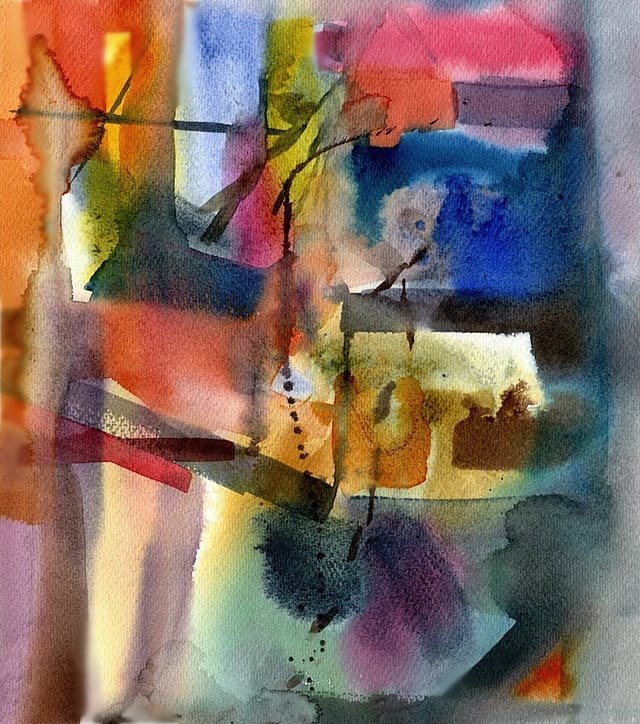
As an exercise we are making a simple abstract painting to get to know our materials
Two Sets of Three Primary Colors
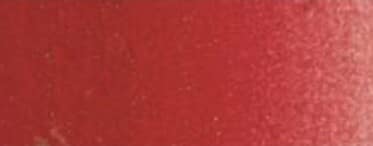
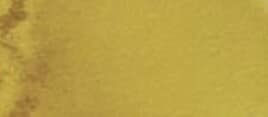
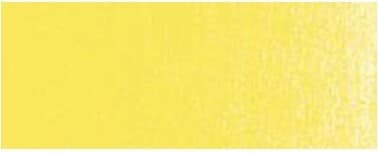
To begin we select two sets of three primary colors from our paint tubes. The colors below are examples of colors that I frequently use. You can also pick other colors as long as they are similar in color and value (how dark they are)
Light Blue
Cerulean Blue

Dark Blue
Phtalo Blue

Ultramarine Blue

Light Red
Scarlet Lake

Permanent Rose

Dark Red
Permanent Magenta

Permanent Alizarin Crimson
Light Yellow
Aureolin
Lemon Yellow
Dark "Yellow"
Burnt Sienna

Activating and Mixing Paint
Activating Paint: Mixing paint from the tube with enough water to make it ready to paint with.
Always activate your paints before you start mixing or painting, because:
- You can better judge the color and value of your mixtures
- Paint from the tube is too thick to paint with.
Activating Paint
Mixing Paint
1. Squeeze paint in small container
2. Add a bit of water. It is easier to add a bit less water than needed at first and add more later.
3. Mix water and paint. Thickness should be about the consistency of drink yoghurt.
The paints are now ready to mix or to paint with. To mix, transfer you paint to your palete.
1. Squeeze paint in small container
2. Add a bit of water. It is easier to add a bit less water than needed at first and add more later.
3. Mix water and paint. Thickness should be about the consistency of drink yoghurt.
The paints are now ready to mix or to paint with. To mix, transfer you paint to your palete.


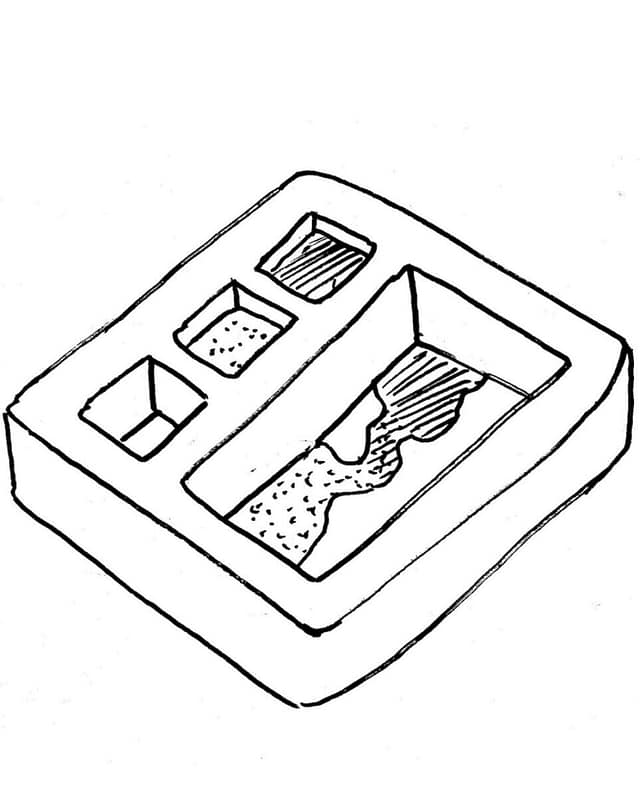
Activating and Mixing Paint in Palettes with Wells
Activate paint in small wells

Mix in the large area
Composition
Composition is the arrangement of all elements of the painted scene in the flat surface of the paper/canvas. The main purpose of composing a picture is leading the eye of the viewer. We must keep the eye of the viewer within the frame of the painting. We must not distract the eye by elements that are foo far in the margin, which would lead it to move out of the painting. At the same time, we must “entertain” the eye with variety. The exact center of the painting will certainly get the attention but will also bore the eye very quickly.
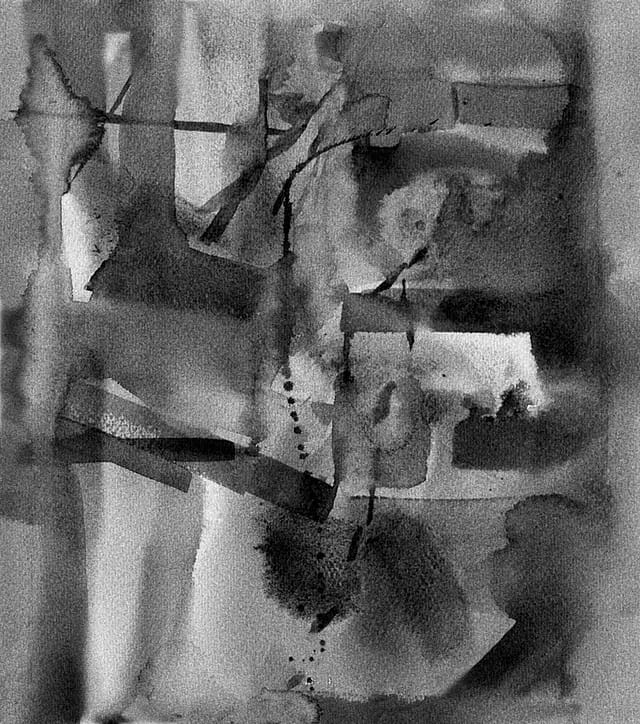
Light is a very important aspect of composing a painting. The eye is always drawn to the area with the most visual contrast: the place where the lightest light (white or almost white) meets the darkest darks (black or almost black). It is important to determine where these lightest lights and darkest darks are before starting a painting. The way we will do this is by making a value study. (a drawing in only a small range of some grey tones with black and white).
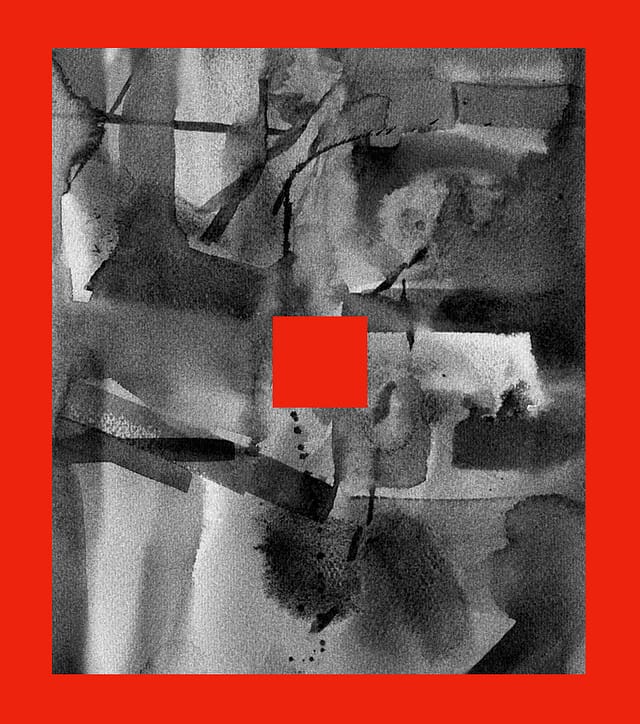
I use one simple but important rule for all my compositions, which I call the “red zone”. For this abstract painting it is important to have:
- No White in the Red Zone
- No Black or almost black in the Red Zone
- No Sharp edges in the Red Zone